A small, deliberate firm for founders, families and property owners. Plain-English advice, fees in writing before the work — and a firm system that reads the paperwork with your attorney, so the time you pay for goes to what matters.
Most matters don’t begin with a lawyer. They begin with paper.
01 / 03
01
It usually starts with a letter.
A demand letter. A notice of default. A contract that suddenly seems to say something different from what everyone agreed over coffee.
02
Then come the documents.
Emails, invoices, photos, texts — months of it, in no particular order. Somewhere inside is the one sentence that changes the conversation.
03
And a clock you can’t see.
Cure periods, notice requirements, response dates. Each one quietly narrows your options if it passes unnoticed.
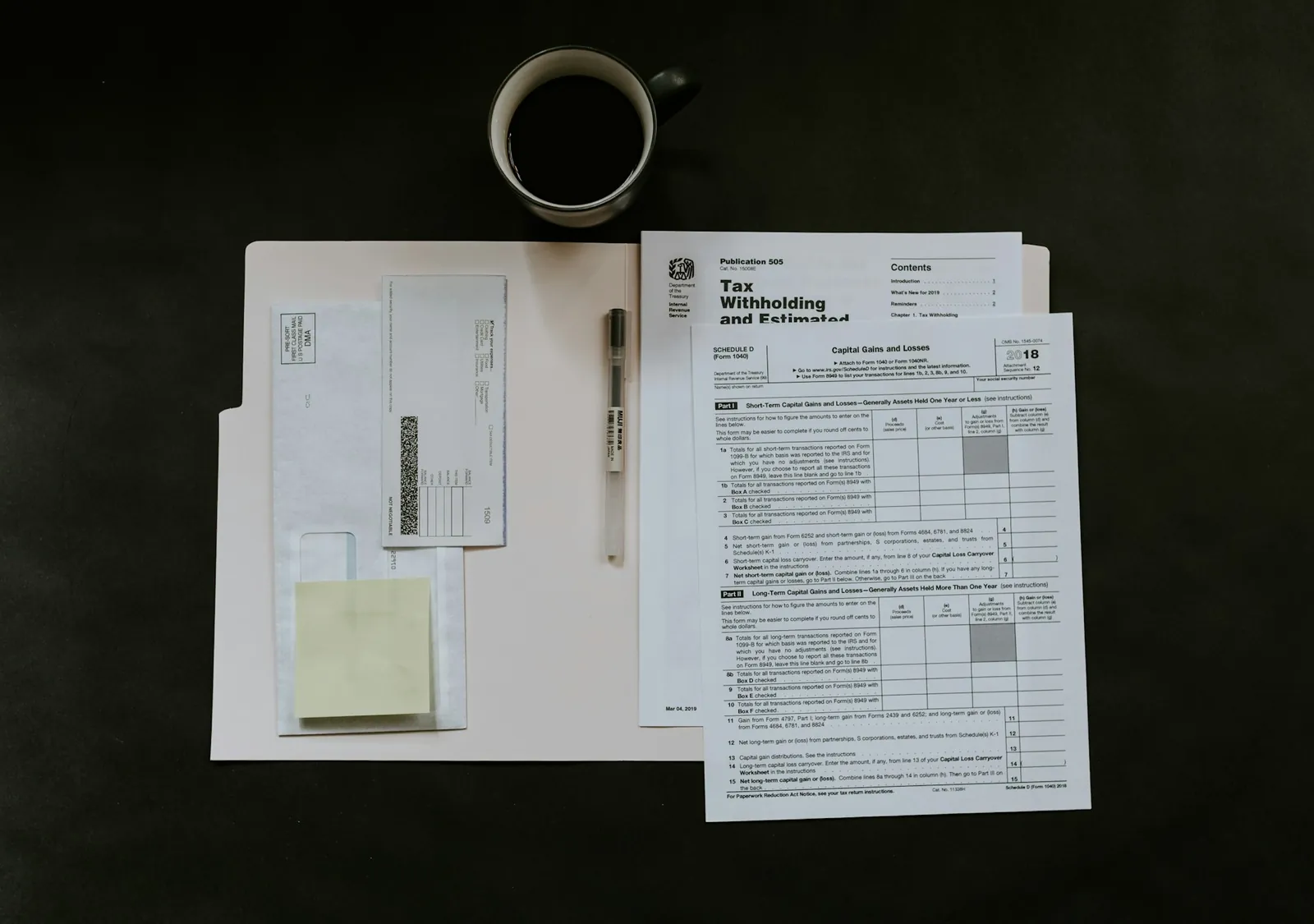
Stock photography · illustrative, not the firm’s clients
II.The reassurance
You don’t have to read it alone.
Bring the letter and the box of documents. We’ll tell you, in plain English, what matters, what doesn’t, and what happens next — and put the price in writing before any work begins.
01One attorney, start to finish.The person you meet at the consultation handles your matter.
02Every date on a calendar.Deadlines are pulled from your documents and tracked, so none slip past.
03Fees before work.Flat fees where the work is predictable; written estimates where it isn’t.
“Our job is to make the next decision obvious — not to make the file bigger.”
The firm’s working principle · sample copy
III.How we help
Four practices. One standard of care.
Choose an area to see what we typically help with, the documents involved, how it’s usually billed and how long it tends to take. Then start an intake with that area already selected.
General information about a fictional firm’s services — not legal advice. Every matter is different; timelines and fees here are illustrative. Photography is stock, for illustration.
Phoenix · since 2011 (fictional)
“A good plan is written before it’s needed.”
IV.Proof of process
No mystery in the middle.
Every engagement follows a written plan. Choose a matter to see the usual stages — who does what, and roughly how long each part takes.
Illustrative stages for a fictional firm. Actual steps depend on the facts, the other side and, where a court is involved, its calendar.
Client portal
Where things stand, whenever you look.
Documents to review and sign, the next deadline on your matter, and secure messages with your attorney — in one place, instead of a dozen email threads.
Documents, versionedDrafts, redlines and signed copies, each with its status.
Deadlines you can seeThe next date on your matter, with what’s needed from you.
Secure messagesAsk a question without it getting lost in an inbox.
The portal on the right is a sample with invented clients and documents.
Mark up anything that doesn’t match your wishes. Signing is held for Nov 6, in office or by remote notary.
Worksheet received
Draft v2 delivered
Your comments
Signing & funding guide
Dana Whitcombe · Oct 9Draft v2 is up. The main change is the successor trustee order you asked about — see section 4.2.
You · Oct 10Thank you. Does the cabin in Flagstaff need its own deed?
Encrypted message to your attorney…
V.The firm’s advantage · Case Intelligence
Hours of reading. The handful of things that matter.
Built into the firm’s own system, Case Intelligence reads everything a client sends — contracts, emails, invoices, photos, texts — and hands the attorney a cited brief: the issues worth pressing, the contradictions, the missing pieces and every deadline. The attorney spends their hours on judgment, not on page-turning, and the client pays for less of it.
Interactive demo — sample data. Scripted for illustration: no AI runs on this page and no files leave your browser.
1UploadThe client drops files into the secure portal.
2Read & indexEvery page, date, name and amount is extracted.
3Flag & citeFindings ranked, each tied to its source excerpt.
4Attorney decidesApprove, dismiss or assign. Nothing goes out unreviewed.
Ellery & Vantine Hub · Case IntelligenceEV-2026-0611Sample data
Real estate · J. Vantine
Commercial lease dispute
Lease_Agreement_Executed.pdf
0pages read
0dates found
0people & entities
0points flagged
Focus first3high-priority points
Contradictions2between sources
Missing2documents to request
Attorney review time · illustrative
~14 hrs
~4.5 hrs
~9.5 hours of reading saved on this sample file — not a promise; attorney review always included.
Every finding cites its source. Nothing reaches the client until an attorney approves it.0 of 9 reviewed
The attorney decides.
Case Intelligence suggests; it never advises. Every point is a draft for a licensed attorney to accept, reject or reassign — and the reasoning stays visible.
Confidential stays confidential.
AdaptExec configures the system so client files remain inside the firm’s own workspace, under the firm’s access controls — not pasted into public chat tools.
Show the source, always.
No finding without a citation: document, page and the exact excerpt. If it can’t be traced to the file, it doesn’t make the brief.
Interactive demo with invented matters, parties and documents. Hours shown are illustrative for these sample files, not a promise of time or cost savings. AI-assisted review supports, and never replaces, an attorney’s independent judgment; human review is required before anything is relied on or shared.
VI.The people
Small on purpose. Senior on every matter.
Four attorneys and a paralegal team. The person you meet at the consultation is the person who handles your matter — with Case Intelligence doing the first read, not the thinking.
Invented attorneys for a fictional firm. Portraits are illustrated monograms, not photographs of real people.
The office
Suite 1400, downtown. Conference rooms with a view of the mountains, a library nobody has to use anymore, and coffee that is, frankly, better than it needs to be.
Fictional address · stock photography for illustration
Fee transparency
The number, before the work.
Where the work is predictable, we quote a flat fee. Where it isn’t, we bill hourly against a written estimate — and because the first read of the documents is assisted, fewer of those hours go to page-turning.
Sample pricing for a fictional firm — not a quote or an offer. Real fees, costs and any retainer are set in a written engagement agreement; court and filing costs are separate.
VII.The next step
Tell us the shape of it. Not the whole story.
Five short steps: the kind of matter, a few questions, how urgent it is, who else is involved (so we can check for conflicts before anyone reads the details) and when you’d like to talk. An AI pre-screen then prepares it for an attorney.
Intake received.
EV-0000
Demo: this intake went to AdaptExec’s demo CRM so you can see the flow end to end. No one is contacted and no consultation is booked. The pre-screen above is scripted sample logic. Scroll down to see where it lands in the firm’s own hub.
In a real build, AdaptExec builds the firm its own custom intake and matter system — the Ellery & Vantine Hub. Every intake lands there, the conflict check runs against the firm’s records, and an AI pre-screen prepares it for the attorney before the first call.
Consultation intakeStructured intakes, routed to the right attorney with the urgency flagged.
AI pre-screenUrgency, conflict status and a “bring to your consultation” list — drafted for the attorney to confirm.
Case Intelligence & portalEngaged matters flow into document review, deadline tracking and the client portal.
On this demo: the intake form posts to AdaptExec’s demo CRM so we can show the real wiring. Nobody is contacted, no consultation is booked, and Ellery & Vantine isn’t a real firm. The pre-screen is scripted sample logic.
Ellery & Vantine Hub · IntakeSample
New intakes select one
Matters by stage
Consult6
Engaged9
Active14
Closing4
Questions
Before you reach out.
Short answers to what people ask first. Anything else, ask at the consultation.